.svg)
From The Scented Candle to CEO: One Planner's Unfiltered Journey Through Events

Event planner Nikki Bibbero shares the mistakes that shaped her agency, emergency management tactics, and why 2026 trends prioritize connection over content. No fluff, just real talk.
A conversation with Nikki Bibbero, Founder & CEO of Bibbero Meetings and Events
Editor's note: Nikki apologized in advance for the brain dump. We're not sorry at all—this is gold.
The Origin Story (Yes, It Involves a Fake Restaurant)
Most kids played with dolls. Nikki Bibbero ran a restaurant empire.
At five years old, she opened The Scented Candle—a pretend restaurant that quickly franchised to three locations (Grandma's living room in Pennsylvania, Grandma's patio, and her parents' backyard in Denver). She had aprons, order notebooks, checkbooks, receipts. Her dad even mentioned it in his wedding toast.
The hospitality gene? It was there from the start.
The path from plastic food to real events:
- Age 16: Subway Sandwich Artist → Assistant Manager by 19
- College years: Olive Garden hostess → server → bartender ("I was NOT a good bartender. I couldn't tell vodka from whiskey and just wanted to wear tight yoga pants")
- Plot twist: Started as a criminology major (too much Criminal Minds), switched to MSU Denver's brand-new Hospitality Tourism and Events program
- First real events gig: Event Manager for Student Government Assembly—planned everything from volunteer fairs to a flood relief fundraising gala that raised $12,000 on a $0 budget
The Hotel Years (AKA: The Education You Can't Get in a Textbook)
Nikki graduated college with a job offer in hand: Marriott's Voyager program as a Food & Beverage Manager in Training.
Her take: "For any aspiring event planner reading this, if you have the opportunity to work in a hotel before working as a planner, DO IT! Cannot emphasize that enough."
What she learned in one year working banquets and outlets:
- How events actually get executed (not just planned)
- Why flipping a room from general session to exhibit hall isn't always feasible
- The little things that make or break a program
- Nuances you can't learn from textbooks or RFPs
Pro Tip: Want to be a great planner? Start in hotels, catering, or back-of-house. You'll understand operations in a way that makes you invaluable when you're finally the one placing the BEO.
Three Jobs, Three Lessons, One Pattern
Stop 1: Kinsley Meetings (3.5 years)
What she loved: The variety. Working with educators, scientists, government, healthcare—all in the same day.
What she learned: Budgets, registration, event tech, speakers, exhibitors, travel. Her bosses encouraged industry involvement and nominated her for the MPI Board.
Stop 2: Arrow Electronics (3 years - Corporate America ✨)
What was different: Last-minute requests. Bigger budgets. VIP clients. $1,000 bottles of wine. F1 races. Pebble Beach incentive trips.
The private jet story: Mid-March 2020, boarding a plane to Tampa when her boss called—pandemic, event canceled. She still flew down to ship materials back. The company offered her a seat on the private jet home with a VP. She said no to see her dad instead. Still kicking herself.
Stop 3: Bibbero Meetings and Events (6 years and counting)
Realized she preferred third-party variety over corporate. Wanted the mix of clients, experiences, and constant new challenges.
The pattern? Three years at each stop until she found what stuck. "I think it's important to try different career paths to find what truly sticks."
The Mistakes That Shaped Everything
Nikki's refreshingly honest about what she got wrong. Here's what she wishes she'd known:
1. Contracts. Contracts. CONTRACTS.
"Trusting people to do the right thing and not putting things in writing."
The hard lesson: Just because someone's your friend doesn't mean you don't need legal protection. Friendship and business don't totally correlate.
Her rule now: Contract FIRST. Always. Even if there's a rush. Even if it seems small. Even (especially) if they're a friend. No work happens until a contract is signed—or you risk doing hours of work with zero ROI.
Pro Tip: That 12+ page terms and conditions contract she has now? It outlines EVERYTHING—communication methods, office hours, exact timelines, detailed deliverables for every service. Set expectations before anyone signs the dotted line.
2. LLC vs. S Corp (And Other Things They Don't Teach You)
"Someone really needs to write a 'How to Start a Business for Dummies' book."
She set up as an LLC first, then her lawyer said nope—S Corp. Had to backtrack and create an entirely new business entity.
Her advice: Do your research. Get your legal/financial team in place BEFORE creating the business. (She recently bought The Small Business Planner—"basically a How To Start A Business For Dummies workbook" that's teaching her things she wishes she'd known six years ago.)
3. Trying to Do Everything Herself
"I'm good at event planning. That doesn't mean I'm good at running a business, nor should I be!"
Her current team:
- Lawyer (those contracts!)
- Accountant (taxes, bookkeeping, finances)
- Marketing agency
- COO to manage it all
- Executive assistant (next hire!)
The realization: When she tried to do everything, she succeeded at nothing—partly because those weren't her strengths, partly because she was spread too thin.
Pro Tip: Surround yourself with people who are good at what you're not. Let them do their thing so you can do yours.
4. Not Vetting Vendors Properly
Got fooled by flashy demos and sales pitches. Jumped into bed with a new registration software that seemed perfect in demos but became "cumbersome, costly, and painful" in reality.
What she should have done: Asked to test it on the back end. Requested client references and testimonials. Done actual research instead of going with people she "kinda sorta knew."
5. Communication Mishaps
"Email is my preferred method of communication, like most millennials!! I totally hate talking on the phone."
But here's the thing: Sometimes you've just got to pick up the damn phone.
The breakdown:
- Older generations prefer phone calls
- Gen Z doesn't know how to dial
- Sales people LOVE to chat (it's literally their job)
- Events people don't
- Europeans want to talk, Americans want to email
Lesson: Get out of your comfort zone. Not communicating properly costs business, screws things up, and loses critical information.
6. Waiting for Clients to Find Her
"Thinking clients would just find me because my initial clients came from word of mouth referrals."
Reality check: 95% of her initial business came through referrals—amazing! But not sustainable for long-term growth.
What's changing: They're creating their first real sales strategy with goals, KPIs, and a plan to get new business. Tackling the problem instead of just waiting.
Emergency Management: The Nikki Method
Her go-to plan for handling disasters:
Step 1: Have an internal freak out for approximately 30 seconds
Step 2: Take a deep breath and DON'T let the client know you're panicking
Step 3: Pull up your big girl panties and figure it out
Real examples:
- Attendees each took two boxed lunches, leaving half the group without food? Call your event manager and kitchen, work magic.
- Bus gets lost with attendees on it? Turn it into Carpool Karaoke.
- Room block oversold? Call the CVB (or Hopskip!) to work the problem on the back end while you keep people calm on the front end.
What Actually Matters in 2026: Trends You Should Take Seriously
Connection Comes First
"People go to conferences to connect."
Design for impromptu meetings, comfortable lounge areas, intentional networking—not just rows of chairs. The best conversations don't happen in ballrooms. They happen on couches, over coffee, between sessions.
Experiences Over "Sit and Listen"
Education still matters. Being talked at? Done.
What's working:
- Workshops and deep dives
- Fireside chats instead of panels
- Hands-on labs
- Flexible seating (soft seating!)
- Non-traditional spaces
The insight: After years of virtual fatigue, learning sticks when people participate—not when they're in a dark room watching slides.
White Space Is Actually Good
Overpacked agendas don't impress anyone.
Attendees want breathing room to connect, catch up on work, or reset. Sometimes the most valuable moments aren't programmed at all.
Wellness Is Expected (Not a Bonus)
You don't need sunrise yoga at every event, but you do need to be thoughtful about how people feel.
What attendees want:
- Quiet rooms
- Wellness lounges
- Movement breaks
- Sessions on burnout/resilience
People want to leave energized—not depleted.
Smaller Activations, Bigger Impact
Bigger ≠ better.
A great coffee bar. One immersive experience. Something fun, unexpected, easy to engage with. Those little moments create the biggest impressions.
Food Actually Matters
"Attendees notice food. Always have."
Better quality, thoughtful menus, real consideration for dietary needs—no longer optional. When people feel seen and accommodated, it changes their entire event experience.
Sustainability Is the Baseline
Not a talking point anymore. An expectation.
Waste reduction, local sourcing, reusable materials. Doesn't have to be complicated or flashy—just intentional and real. Doing nothing here feels outdated.
ROI Matters More Than Ever
Events are under scrutiny, especially with tight budgets.
Clients want to know:
- Why does this event exist?
- What's it meant to accomplish?
- How will we measure success?
The truth: Clear purpose = clear value.
Nikki's Genius Ideas for Reducing Conference Stress
Puppies!
"Doggy cuddles help everyone relax."
Petting a dog stimulates oxytocin (the happiness hormone), promotes social interaction, reduces stress. Science backs this up.
Easy Ways to Keep Up on Work
People stress about falling behind on their "real" job while at conferences.
Solutions: Nook work pods, charging tables, access to outlets. Give them a quiet spot to take calls without going all the way back to their room.
Movement Opportunities
Sunrise yoga, 5K fun runs, pickleball tournaments—optional activities before/after conference hours. Physical outlets foster relaxation AND sponsorship opportunities.
Low-Pressure Exhibit Halls
People hate hard sells and forced conversations.
Create relaxed environments:
- Coffee bars (or actual bars!) in booths
- Comfy lounge furniture for casual networking
- Good giveaways (not stress balls—think Maui Jim sunglasses)
Mindful Moments Lounge
A quiet, tech-free space with soft lighting, noise-canceling headphones, essential oils, cozy seating, guided meditation tracks. Even 5 minutes helps attendees reset.
Creative Corners
Drop-in craft stations where attendees paint mini canvases, make friendship bracelets, or build a Lego sculpture wall. No skill required—just fun, tactile creativity that lowers anxiety.
Walk + Talk Breaks
Instead of coffee breaks with high-tops, give everyone to-go coffee and encourage walking around the property while chatting with someone new.
Refresh Stations
Toiletry amenity baskets in bathrooms stocked with spray deodorant, breath mints, blotting pads, bobby pins, hairspray. Lifesavers when you can't easily run back to your room.
Nikki's Advice for Aspiring Planners
For Every Planner:
Get involved. Attend industry events. Join boards. Sign up to speak. Get your name and brand out there. Prove yourself as a thought leader. Make connections.
For Anyone Who Wants to Be a Planner:
Start in a hotel, catering, or some other behind-the-scenes role. You'll learn SO much that never gets taught in textbooks. You'll be a better planner because you'll understand what's actually feasible.
If She Were Starting Today:
Learn more upfront. Talk to mentors and advisors. Read. Get your legal and financial team in place BEFORE diving in. "I just started where I thought I should. And it's worked, because I'm still here, but I could have done things much better."
The Bottom Line
Nikki's been at this for 6+ years now (breaking her three-year pattern), and she's not going anywhere. Her agency does everything—soup to nuts—from strategy and venue sourcing to full planning (registration, speakers, exhibitors, hotel logistics, AV, budget, marketing, websites, mobile apps) to onsite execution and post-event reporting.
What differentiates BME: Most companies are really good at one thing or do a lot but not everything. Nikki genuinely does it all.
Her biggest turning point: Happening right now. Building their first real sales strategy after years of relying on referrals. "Tackling the problem, instead of just waiting."
The question for 2026: Not "How big is the event?" but "How did it make people feel—and what did it actually deliver?"
And honestly? That's a really exciting place to be.
Want to connect with Nikki? Find her at Bibbero Meetings and Events or check out The Bibbero Brief for more industry insights and trends.
Curabitur bibendum ad viverra eu fringilla ad eu. Eget placerat ultricies quis amet mattis himenaeos ullamcorper facilisi volutpat.
Start for free
Send your first one for free.

From The Scented Candle to CEO: One Planner's Unfiltered Journey Through Events
Event planner Nikki Bibbero shares the mistakes that shaped her agency, emergency management tactics, and why 2026 trends prioritize connection over content. No fluff, just real talk.
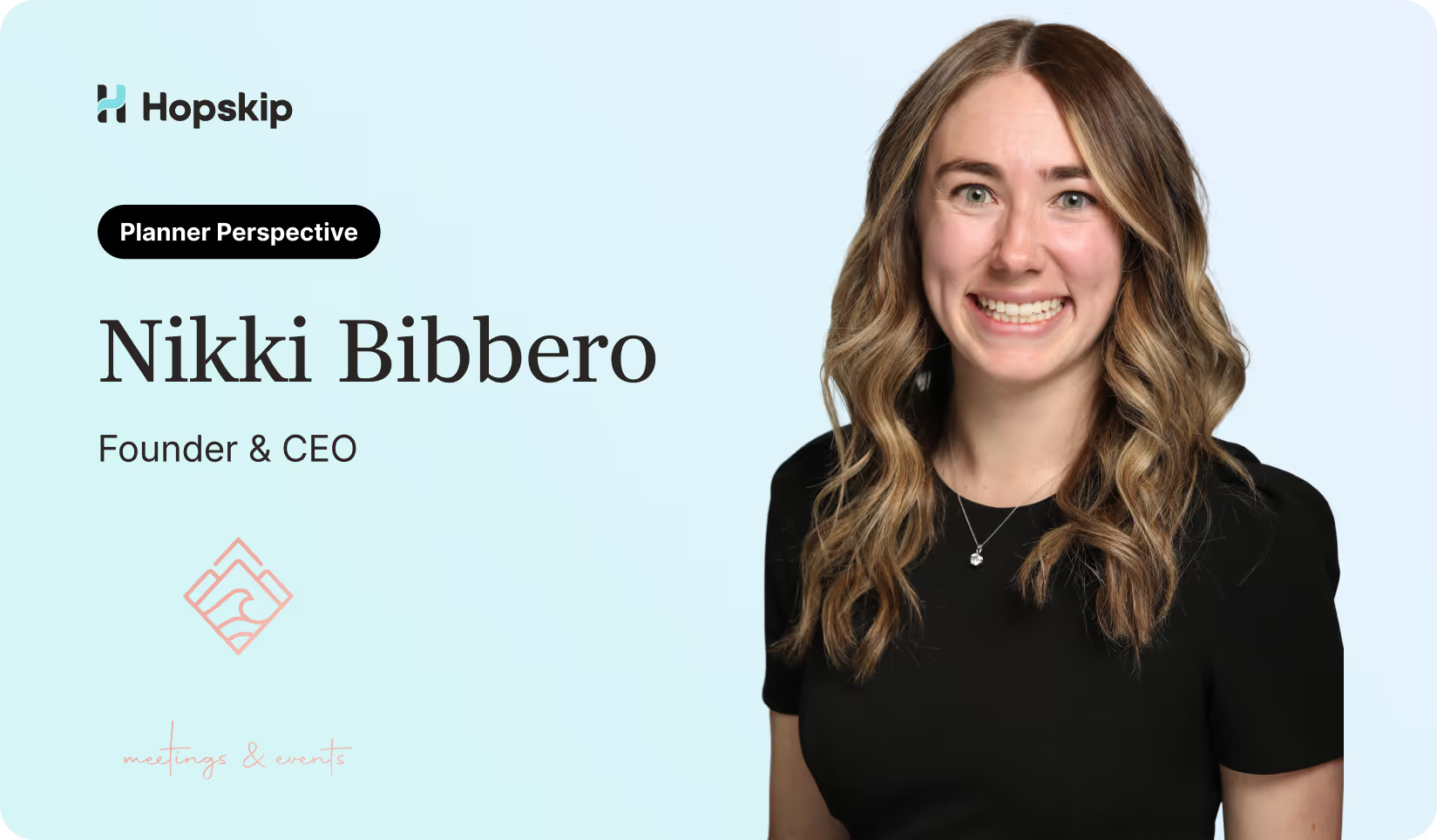
A conversation with Nikki Bibbero, Founder & CEO of Bibbero Meetings and Events
Editor's note: Nikki apologized in advance for the brain dump. We're not sorry at all—this is gold.
The Origin Story (Yes, It Involves a Fake Restaurant)
Most kids played with dolls. Nikki Bibbero ran a restaurant empire.
At five years old, she opened The Scented Candle—a pretend restaurant that quickly franchised to three locations (Grandma's living room in Pennsylvania, Grandma's patio, and her parents' backyard in Denver). She had aprons, order notebooks, checkbooks, receipts. Her dad even mentioned it in his wedding toast.
The hospitality gene? It was there from the start.
The path from plastic food to real events:
- Age 16: Subway Sandwich Artist → Assistant Manager by 19
- College years: Olive Garden hostess → server → bartender ("I was NOT a good bartender. I couldn't tell vodka from whiskey and just wanted to wear tight yoga pants")
- Plot twist: Started as a criminology major (too much Criminal Minds), switched to MSU Denver's brand-new Hospitality Tourism and Events program
- First real events gig: Event Manager for Student Government Assembly—planned everything from volunteer fairs to a flood relief fundraising gala that raised $12,000 on a $0 budget
The Hotel Years (AKA: The Education You Can't Get in a Textbook)
Nikki graduated college with a job offer in hand: Marriott's Voyager program as a Food & Beverage Manager in Training.
Her take: "For any aspiring event planner reading this, if you have the opportunity to work in a hotel before working as a planner, DO IT! Cannot emphasize that enough."
What she learned in one year working banquets and outlets:
- How events actually get executed (not just planned)
- Why flipping a room from general session to exhibit hall isn't always feasible
- The little things that make or break a program
- Nuances you can't learn from textbooks or RFPs
Pro Tip: Want to be a great planner? Start in hotels, catering, or back-of-house. You'll understand operations in a way that makes you invaluable when you're finally the one placing the BEO.
Three Jobs, Three Lessons, One Pattern
Stop 1: Kinsley Meetings (3.5 years)
What she loved: The variety. Working with educators, scientists, government, healthcare—all in the same day.
What she learned: Budgets, registration, event tech, speakers, exhibitors, travel. Her bosses encouraged industry involvement and nominated her for the MPI Board.
Stop 2: Arrow Electronics (3 years - Corporate America ✨)
What was different: Last-minute requests. Bigger budgets. VIP clients. $1,000 bottles of wine. F1 races. Pebble Beach incentive trips.
The private jet story: Mid-March 2020, boarding a plane to Tampa when her boss called—pandemic, event canceled. She still flew down to ship materials back. The company offered her a seat on the private jet home with a VP. She said no to see her dad instead. Still kicking herself.
Stop 3: Bibbero Meetings and Events (6 years and counting)
Realized she preferred third-party variety over corporate. Wanted the mix of clients, experiences, and constant new challenges.
The pattern? Three years at each stop until she found what stuck. "I think it's important to try different career paths to find what truly sticks."
The Mistakes That Shaped Everything
Nikki's refreshingly honest about what she got wrong. Here's what she wishes she'd known:
1. Contracts. Contracts. CONTRACTS.
"Trusting people to do the right thing and not putting things in writing."
The hard lesson: Just because someone's your friend doesn't mean you don't need legal protection. Friendship and business don't totally correlate.
Her rule now: Contract FIRST. Always. Even if there's a rush. Even if it seems small. Even (especially) if they're a friend. No work happens until a contract is signed—or you risk doing hours of work with zero ROI.
Pro Tip: That 12+ page terms and conditions contract she has now? It outlines EVERYTHING—communication methods, office hours, exact timelines, detailed deliverables for every service. Set expectations before anyone signs the dotted line.
2. LLC vs. S Corp (And Other Things They Don't Teach You)
"Someone really needs to write a 'How to Start a Business for Dummies' book."
She set up as an LLC first, then her lawyer said nope—S Corp. Had to backtrack and create an entirely new business entity.
Her advice: Do your research. Get your legal/financial team in place BEFORE creating the business. (She recently bought The Small Business Planner—"basically a How To Start A Business For Dummies workbook" that's teaching her things she wishes she'd known six years ago.)
3. Trying to Do Everything Herself
"I'm good at event planning. That doesn't mean I'm good at running a business, nor should I be!"
Her current team:
- Lawyer (those contracts!)
- Accountant (taxes, bookkeeping, finances)
- Marketing agency
- COO to manage it all
- Executive assistant (next hire!)
The realization: When she tried to do everything, she succeeded at nothing—partly because those weren't her strengths, partly because she was spread too thin.
Pro Tip: Surround yourself with people who are good at what you're not. Let them do their thing so you can do yours.
4. Not Vetting Vendors Properly
Got fooled by flashy demos and sales pitches. Jumped into bed with a new registration software that seemed perfect in demos but became "cumbersome, costly, and painful" in reality.
What she should have done: Asked to test it on the back end. Requested client references and testimonials. Done actual research instead of going with people she "kinda sorta knew."
5. Communication Mishaps
"Email is my preferred method of communication, like most millennials!! I totally hate talking on the phone."
But here's the thing: Sometimes you've just got to pick up the damn phone.
The breakdown:
- Older generations prefer phone calls
- Gen Z doesn't know how to dial
- Sales people LOVE to chat (it's literally their job)
- Events people don't
- Europeans want to talk, Americans want to email
Lesson: Get out of your comfort zone. Not communicating properly costs business, screws things up, and loses critical information.
6. Waiting for Clients to Find Her
"Thinking clients would just find me because my initial clients came from word of mouth referrals."
Reality check: 95% of her initial business came through referrals—amazing! But not sustainable for long-term growth.
What's changing: They're creating their first real sales strategy with goals, KPIs, and a plan to get new business. Tackling the problem instead of just waiting.
Emergency Management: The Nikki Method
Her go-to plan for handling disasters:
Step 1: Have an internal freak out for approximately 30 seconds
Step 2: Take a deep breath and DON'T let the client know you're panicking
Step 3: Pull up your big girl panties and figure it out
Real examples:
- Attendees each took two boxed lunches, leaving half the group without food? Call your event manager and kitchen, work magic.
- Bus gets lost with attendees on it? Turn it into Carpool Karaoke.
- Room block oversold? Call the CVB (or Hopskip!) to work the problem on the back end while you keep people calm on the front end.
What Actually Matters in 2026: Trends You Should Take Seriously
Connection Comes First
"People go to conferences to connect."
Design for impromptu meetings, comfortable lounge areas, intentional networking—not just rows of chairs. The best conversations don't happen in ballrooms. They happen on couches, over coffee, between sessions.
Experiences Over "Sit and Listen"
Education still matters. Being talked at? Done.
What's working:
- Workshops and deep dives
- Fireside chats instead of panels
- Hands-on labs
- Flexible seating (soft seating!)
- Non-traditional spaces
The insight: After years of virtual fatigue, learning sticks when people participate—not when they're in a dark room watching slides.
White Space Is Actually Good
Overpacked agendas don't impress anyone.
Attendees want breathing room to connect, catch up on work, or reset. Sometimes the most valuable moments aren't programmed at all.
Wellness Is Expected (Not a Bonus)
You don't need sunrise yoga at every event, but you do need to be thoughtful about how people feel.
What attendees want:
- Quiet rooms
- Wellness lounges
- Movement breaks
- Sessions on burnout/resilience
People want to leave energized—not depleted.
Smaller Activations, Bigger Impact
Bigger ≠ better.
A great coffee bar. One immersive experience. Something fun, unexpected, easy to engage with. Those little moments create the biggest impressions.
Food Actually Matters
"Attendees notice food. Always have."
Better quality, thoughtful menus, real consideration for dietary needs—no longer optional. When people feel seen and accommodated, it changes their entire event experience.
Sustainability Is the Baseline
Not a talking point anymore. An expectation.
Waste reduction, local sourcing, reusable materials. Doesn't have to be complicated or flashy—just intentional and real. Doing nothing here feels outdated.
ROI Matters More Than Ever
Events are under scrutiny, especially with tight budgets.
Clients want to know:
- Why does this event exist?
- What's it meant to accomplish?
- How will we measure success?
The truth: Clear purpose = clear value.
Nikki's Genius Ideas for Reducing Conference Stress
Puppies!
"Doggy cuddles help everyone relax."
Petting a dog stimulates oxytocin (the happiness hormone), promotes social interaction, reduces stress. Science backs this up.
Easy Ways to Keep Up on Work
People stress about falling behind on their "real" job while at conferences.
Solutions: Nook work pods, charging tables, access to outlets. Give them a quiet spot to take calls without going all the way back to their room.
Movement Opportunities
Sunrise yoga, 5K fun runs, pickleball tournaments—optional activities before/after conference hours. Physical outlets foster relaxation AND sponsorship opportunities.
Low-Pressure Exhibit Halls
People hate hard sells and forced conversations.
Create relaxed environments:
- Coffee bars (or actual bars!) in booths
- Comfy lounge furniture for casual networking
- Good giveaways (not stress balls—think Maui Jim sunglasses)
Mindful Moments Lounge
A quiet, tech-free space with soft lighting, noise-canceling headphones, essential oils, cozy seating, guided meditation tracks. Even 5 minutes helps attendees reset.
Creative Corners
Drop-in craft stations where attendees paint mini canvases, make friendship bracelets, or build a Lego sculpture wall. No skill required—just fun, tactile creativity that lowers anxiety.
Walk + Talk Breaks
Instead of coffee breaks with high-tops, give everyone to-go coffee and encourage walking around the property while chatting with someone new.
Refresh Stations
Toiletry amenity baskets in bathrooms stocked with spray deodorant, breath mints, blotting pads, bobby pins, hairspray. Lifesavers when you can't easily run back to your room.
Nikki's Advice for Aspiring Planners
For Every Planner:
Get involved. Attend industry events. Join boards. Sign up to speak. Get your name and brand out there. Prove yourself as a thought leader. Make connections.
For Anyone Who Wants to Be a Planner:
Start in a hotel, catering, or some other behind-the-scenes role. You'll learn SO much that never gets taught in textbooks. You'll be a better planner because you'll understand what's actually feasible.
If She Were Starting Today:
Learn more upfront. Talk to mentors and advisors. Read. Get your legal and financial team in place BEFORE diving in. "I just started where I thought I should. And it's worked, because I'm still here, but I could have done things much better."
The Bottom Line
Nikki's been at this for 6+ years now (breaking her three-year pattern), and she's not going anywhere. Her agency does everything—soup to nuts—from strategy and venue sourcing to full planning (registration, speakers, exhibitors, hotel logistics, AV, budget, marketing, websites, mobile apps) to onsite execution and post-event reporting.
What differentiates BME: Most companies are really good at one thing or do a lot but not everything. Nikki genuinely does it all.
Her biggest turning point: Happening right now. Building their first real sales strategy after years of relying on referrals. "Tackling the problem, instead of just waiting."
The question for 2026: Not "How big is the event?" but "How did it make people feel—and what did it actually deliver?"
And honestly? That's a really exciting place to be.
Want to connect with Nikki? Find her at Bibbero Meetings and Events or check out The Bibbero Brief for more industry insights and trends.


.svg)